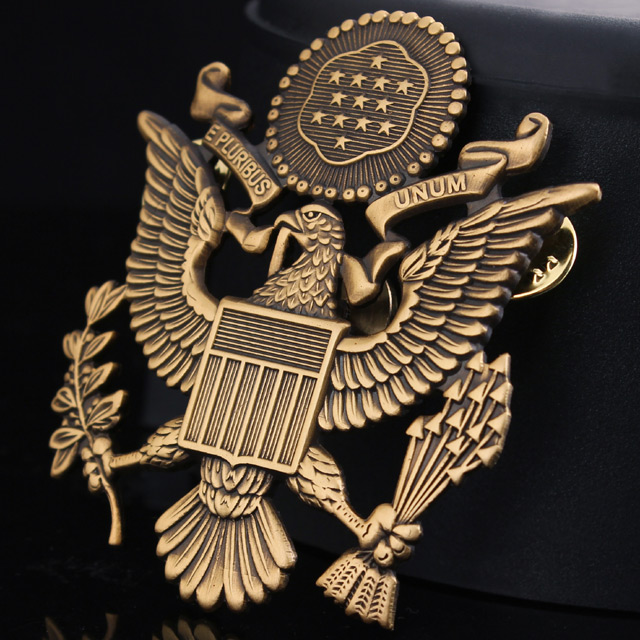
Custom military coins are more than commemorative products. For military units, squadrons, commands, training groups, and leadership teams, a well-designed coin can preserve unit identity, mission history, achievements, dates, locations, mottos, and shared experiences in a compact metal format.
The strongest military coin designs are not simply packed with military symbols. They use a clear hierarchy so that the unit identity is immediately recognizable, while secondary details tell the deeper story.
This guide covers practical design ideas for unit coins, squadron coins, command coins, deployment coins, anniversary coins, retirement coins, graduation coins, and other military recognition products.
1. What Is a Custom Military Coin?
A custom military coin is a personalized metal recognition or commemorative coin manufactured around a specific:
- Military unit
- Squadron
- Battalion
- Regiment
- Command
- Division
- Training group
- Special program
- Deployment
- Anniversary
- Leadership team
Unlike a generic souvenir coin, a custom military coin normally contains specific organizational or historical information.
Typical elements include:
- Unit emblem
- Insignia
- Motto
- Unit number
- Branch identification
- Important dates
- Mission information
- Aircraft or equipment
- Geographic references
- Rank or leadership title
2. Why Military Units Use Custom Coins
Military coins can serve several purposes.
Recognition
Coins may be presented to individuals for achievement or service.
Commemoration
A deployment, anniversary, graduation, or special event can be preserved on a physical object.
Unit Identity
A coin can visually represent a unit’s identity and traditions.
Leadership Recognition
Command coins can be used as recognition items.
Morale and Esprit de Corps
A distinctive unit coin can reinforce group identity.
Collecting
Some coins are produced as limited-edition memorabilia.
3. Main Military Coin Applications
Custom military coins can be designed for:
- Army units
- Navy units
- Air Force squadrons
- Marine units
- Coast Guard units
- Space-related organizations
- Joint commands
- Training commands
- Aviation units
- Logistics units
- Maintenance units
- Security organizations
- Military schools
- Veteran organizations
- Retirement ceremonies
- Deployment events
4. Unit Coin Design
The unit emblem should usually be the primary visual element.
A simple structure could be:
Front: Unit insignia
Back: Unit name + motto + establishment year
This approach makes the coin easy to understand while preserving organizational identity.
5. Squadron Coin Design
Squadron coins offer more opportunities for specialized imagery.
Possible elements include:
- Aircraft silhouette
- Squadron patch
- Tail number
- Squadron number
- Mission symbol
- Motto
- Base reference
- Establishment date
An aircraft silhouette can immediately communicate the squadron’s operational identity.
6. Command Coin Design
A command coin often emphasizes leadership rather than equipment.
Possible elements include:
- Command emblem
- Rank
- Commander’s title
- Motto
- Leadership philosophy
- Organization name
- Command establishment date
The design should remain professional rather than overcrowded.
7. Military Coin Design Hierarchy
One of the most important principles is visual hierarchy.
A useful hierarchy is:
Level 1
Unit emblem or primary symbol
Level 2
Unit name
Level 3
Motto
Level 4
Date or mission
Level 5
Secondary details
If everything is equally prominent, the coin becomes difficult to read.
8. Use the Front for Identity
The front side can focus on:
Who are we?
For example:
- Unit emblem
- Squadron insignia
- Command logo
- Organization name
This makes the coin immediately recognizable.
9. Use the Back for Storytelling
The back can answer:
What does this coin commemorate?
Possible content:
- Deployment
- Anniversary
- Operation
- Training
- Location
- Achievement
- Dates
This creates a logical relationship between the two sides.
10. Military Coin Motto Ideas
Mottos can create a strong identity.
Possible design categories include:
- Unit motto
- Squadron motto
- Command motto
- Mission statement
- Short leadership principle
Short phrases are usually easier to read on a small coin than long paragraphs.
11. Unit Number
A unit number can become a major graphic element.
For example:
101
12
75
305
Large numbers can be combined with:
- Wings
- Shields
- Stars
- Eagles
- Aircraft
- Unit emblems
12. Anniversary Coin
Anniversary coins can prominently display:
EST. 1976
or:
50 YEARS
A dual-year format can also work:
1976–2026
The dates become an important historical marker.
13. 25th Anniversary Military Coin
A 25th anniversary design can emphasize:
25 YEARS
with the original establishment year and current anniversary year.
Silver, antique silver, or two-tone plating can create a traditional commemorative appearance.
14. 50th Anniversary Military Coin
For a 50th anniversary, gold-colored plating can reinforce the milestone.
Possible design:
50
surrounded by:
- Unit emblem
- Stars
- Laurel
- Years
- Motto
15. 100th Anniversary Military Coin
A centennial coin can use:
100 YEARS
as the primary graphic.
Historical photographs or older insignia can potentially inspire the reverse side.
16. Deployment Coin
A deployment coin can record:
- Unit
- Deployment year
- Region
- Mission
- Dates
- Motto
The reverse side could feature a simplified geographic silhouette.
17. Location-Based Military Coin
Geographic imagery can make a deployment coin more distinctive.
Possible elements include:
- State outline
- Country outline
- Map coordinates
- Base location
- Regional landmark
Coordinates can be particularly useful when the location has special meaning to the unit.
18. Coordinate Military Coin
Coordinates can be engraved or raised around the edge.
For example:
34°… N / 118°… W
The exact coordinates should be selected carefully by the organization.
This can create a subtle historical reference without overcrowding the center.
19. Aircraft Squadron Coin
Aircraft are naturally strong design elements for aviation units.
Potential subjects include:
- Fighter aircraft
- Transport aircraft
- Helicopters
- Training aircraft
- Unmanned aircraft
A side profile can often fit well within a circular coin.
20. Aircraft Tail Number
For aviation organizations, a tail number can become a meaningful detail.
It can be incorporated into:
- Aircraft illustration
- Reverse side
- Edge lettering
- Serial-number-style design
This is particularly useful for commemorative aircraft-related coins.
21. Military Vehicle Coin
Ground units can incorporate:
- Armored vehicles
- Tactical vehicles
- Engineering equipment
- Transportation equipment
The vehicle should be simplified enough to remain recognizable at the final coin size.
22. Naval Military Coin
Naval-themed designs can use:
- Ship silhouette
- Anchor
- Compass
- Waves
- Naval insignia
- Unit emblem
A ship silhouette combined with an anchor can create a strong visual hierarchy.
23. Marine Unit Coin
Marine-themed coins may incorporate:
- Unit insignia
- Eagle/globe/anchor-inspired imagery where appropriate
- Unit number
- Motto
- Marine equipment
The official organizational artwork should always be used according to the organization’s authorization.
24. Army Unit Coin
Army coins may feature:
- Unit insignia
- Shield
- Unit number
- Equipment
- Establishment year
- Motto
A shield shape can naturally frame the primary emblem.
25. Air Force Squadron Coin
Aviation coins can use:
- Wings
- Aircraft
- Squadron number
- Flight imagery
- Stars
- Unit insignia
A two-tone finish can help separate the aircraft from the background.
26. Coast Guard Coin
A maritime design can incorporate:
- Vessel silhouette
- Lighthouse
- Anchor
- Waves
- Unit insignia
The coin can combine organizational identity with a maritime theme.
27. Training Graduation Coin
Training coins can commemorate:
- Course name
- Class number
- Graduation date
- Training organization
- Motto
The class number can be made highly visible.
28. Class Coin
Military training classes often have their own identity.
A class coin can include:
CLASS 26-01
or another authorized class identifier.
The reverse side can feature the training school’s emblem.
29. Leadership Recognition Coin
A leadership coin can emphasize:
- Commander’s emblem
- Leadership principle
- Rank
- Organization
- Signature-style element
The design can be more personal than a general unit coin.
30. Retirement Coin
Retirement coins can commemorate an individual’s career.
Potential elements include:
- Service years
- Rank
- Name
- Unit history
- Career milestones
- Retirement date
A career timeline can be incorporated into the reverse side.
31. Career Timeline Design
A retirement coin can use:
1986 → 2026
with several important assignments represented through small symbols.
This transforms the coin into a personal historical record.
32. Service Anniversary Coin
For long-serving organizations, a coin can commemorate:
10 years
25 years
50 years
75 years
The anniversary number should generally remain visually dominant.
33. Mission Coin
A mission coin can focus on the mission identity.
Possible elements:
- Mission title
- Unit
- Date
- Symbol
- Location
- Mission number
Avoid adding too much small text.
34. Special Event Military Coin
Examples include:
- Change of command
- Unit activation
- Deactivation
- Training completion
- Promotion ceremony
- Deployment
- Homecoming
- Anniversary
Each event can have a distinct coin design.
35. Two-Sided Military Coin
Two-sided coins are especially useful because they provide more design space.
Front
Identity
Back
Commemoration
This is usually more effective than trying to place every detail on one side.
36. 3D Military Coin
3D relief can make:
- Aircraft
- Eagles
- Shields
- Vehicles
- Buildings
- Equipment
appear more dimensional.
3D designs are particularly effective for premium presentation coins.
37. 2D vs 3D
2D
Best for:
- Text
- Logos
- Simple insignia
- Flat graphics
3D
Best for:
- Detailed equipment
- Sculptural symbols
- Premium presentation
The choice depends on the artwork and budget.
38. Cut-Out Military Coin
Cut-outs can remove metal from selected areas.
Potential designs:
- Stars
- Wings
- Numbers
- Unit symbols
- Aircraft outlines
Cut-outs can reduce visual weight and create a more contemporary appearance.
39. Multi-Layer Military Coin
A layered construction can create additional depth.
For example:
Base coin + raised emblem + secondary metal layer
This can make the unit insignia more prominent.
40. Spinner Military Coin
A center spinner can be added to create an interactive design.
Potential applications include:
- Special commemorative coins
- Recruitment events
- Collectible coins
- Anniversary coins
Moving parts increase manufacturing complexity, so the mechanism should be tested before bulk production.
41. Glow-in-the-Dark Military Coin
Glow enamel can be used selectively.
Possible applications include:
- Unit symbol
- Stars
- Aircraft
- Numbers
- Motto
This can create a different appearance under low-light conditions.
42. Antique Military Coin
Antique plating emphasizes recessed areas.
Common finishes include:
- Antique gold
- Antique silver
- Antique bronze
- Antique copper
- Antique brass
This can create a traditional military memorabilia appearance.
43. Dual-Plating Military Coin
Two plating colors can visually separate different areas.
For example:
Antique silver + polished gold
or:
Black nickel + silver
This can make a detailed insignia easier to understand.
44. Selective Plating
Different sections can receive different finishes.
This is useful when the design includes:
- Raised emblem
- Recessed background
- Border
- Text
The contrast can increase visual depth.
45. Enamel Military Coin
Enamel is useful for adding:
- Unit colors
- Squadron colors
- Flag colors
- Organizational branding
Soft enamel and hard enamel provide different visual effects.
46. Transparent Enamel
Transparent enamel can create a stained-glass-style appearance.
It can be particularly effective around:
- Symbols
- Stars
- Maps
- Logos
47. Edge Design
The coin edge should not be ignored.
Options include:
- Plain edge
- Reeded edge
- Rope edge
- Oblique line
- Text
- Numbering
Edge design can make the coin feel more premium.
48. Edge Lettering
Edge lettering can contain:
- Unit motto
- Event name
- Date
- Serial number
- Short phrase
It is particularly useful when the front and reverse are already full.
49. Serialized Military Coins
Limited-edition coins can include:
001/500
002/500
etc.
This can increase collectible value.
The numbering method should be agreed upon before production.
50. Limited Edition Coin
A limited edition can specify:
LIMITED EDITION — 500 PCS
The coin can then be individually numbered.
This is useful for:
- Anniversary events
- Retirement gifts
- VIP recognition
- Historical commemorations
51. Military Coin Size
Common sizes include approximately:
- 1.25″
- 1.5″
- 1.75″
- 2″
- 2.5″
The best size depends on the amount of artwork.
52. Choosing 1.5 Inches
A 1.5-inch coin is relatively compact.
It works well when the design is:
- Simple
- Logo-focused
- Easy to read
53. Choosing 1.75 Inches
A 1.75-inch military coin provides more space for:
- Unit insignia
- Motto
- Date
- Secondary imagery
It is a versatile option for many organizational coins.
54. Choosing 2 Inches
A 2-inch coin gives additional room for:
- Detailed aircraft
- Maps
- Multiple text elements
- 3D relief
But larger size also increases material usage and weight.
55. Military Coin Thickness
Typical custom coin designs may use different thicknesses depending on construction.
For example:
2 mm
3 mm
4 mm
Thicker coins generally feel heavier and more substantial.
56. Weight Consideration
Coin weight depends on:
Diameter × thickness × material density × design geometry
Therefore, increasing both diameter and thickness can significantly change the final weight.
For wearable or presentation purposes, weight should be evaluated early.
57. Brass Military Coin
Brass can provide:
- Traditional appearance
- Strong tactile feel
- Good detail
- Premium perception
It is often considered for die-struck styles.
58. Copper Military Coin
Copper can provide a warm metallic appearance.
It is suitable for:
- Traditional commemorative coins
- Antique finishes
- Historical designs
59. Zinc Alloy Military Coin
Zinc alloy can be useful for:
- Complex 3D shapes
- Large coins
- Cut-outs
- Multi-level designs
It can provide considerable design flexibility.
60. Die-Struck Military Coin
Die-struck construction is suitable for:
- Traditional insignia
- Fine lines
- Raised lettering
- Classic military-style designs
61. Die-Cast Military Coin
Die casting can be useful for:
- 3D relief
- Deep sculpting
- Complex shapes
- Multi-level surfaces
62. Custom Military Coin Cost Factors
The final price depends on:
- Material
- Size
- Thickness
- Quantity
- Tooling
- 2D/3D construction
- Enamel
- Plating
- Cut-outs
- Moving parts
- Packaging
- Shipping
Therefore, two coins with the same diameter can have very different prices.
63. Quantity and Unit Cost
Larger quantities can reduce the tooling cost per piece.
For example:
If tooling costs $100:
- 100 coins → $1.00 tooling allocation per coin
- 1,000 coins → $0.10 per coin
- 5,000 coins → $0.02 per coin
This illustrates why quantity can materially influence effective unit cost.
64. Military Coin Packaging
Possible packaging includes:
- Poly bag
- Velvet pouch
- Coin capsule
- Presentation box
- Acrylic display case
- Custom printed box
VIP or retirement coins often benefit from presentation packaging.
65. Unit Coin Display Box
A custom box can include:
- Unit logo
- Coin cavity
- Event name
- Date
- Organization colors
This turns the coin into a complete recognition package.
66. Military Coin Design File
For production, useful artwork may include:
- AI
- EPS
- SVG
- High-resolution PNG
Vector artwork is generally preferable for manufacturing preparation.
67. What Makes a Good Military Coin Design?
A strong design normally has:
Clear identity
Readable typography
Appropriate symbolism
Balanced composition
Manufacturable details
The final product should look good not only on a computer screen but also at its actual physical size.
68. Common Design Mistake #1: Too Much Text
A 1.5-inch coin cannot comfortably reproduce a large paragraph.
Instead, use:
- Short motto
- Unit name
- Date
- Abbreviation
Move secondary information to the reverse or edge.
69. Common Design Mistake #2: Excessive Detail
Extremely fine details may disappear during manufacturing.
The artwork should be simplified according to:
- Coin size
- Material
- Manufacturing process
- Surface depth
70. Common Design Mistake #3: Poor Contrast
If plating and enamel colors are too similar, details can disappear.
Contrast between:
- Raised metal
- Recessed background
- Enamel
- Plating
can improve readability.
71. Common Design Mistake #4: Ignoring the Reverse
The reverse should not look like an afterthought.
Use it for:
- Motto
- History
- Date
- Mission
- Secondary emblem
72. Common Design Mistake #5: Ignoring the Edge
A blank edge may be acceptable, but edge lettering can provide additional information without overcrowding the main surfaces.
73. Common Design Mistake #6: Designing Only for Digital Images
A design can look excellent at 4K resolution but fail at 1.5 inches.
Always evaluate the artwork at actual physical size.
74. Recommended Design Process
Step 1
Define the purpose.
Step 2
Choose the primary symbol.
Step 3
Select the coin size.
Step 4
Choose material.
Step 5
Determine front/reverse information.
Step 6
Select finish.
Step 7
Review manufacturability.
Step 8
Approve the digital mockup.
Step 9
Produce a sample.
Step 10
Approve mass production.
75. Information to Send a Manufacturer
A useful RFQ should include:
- Quantity
- Diameter
- Thickness
- Material
- Artwork
- Plating
- Enamel
- Edge design
- Packaging
- Ribbon if applicable
- Delivery destination
- Required delivery date
The more complete the specification, the easier it is to compare quotations.
76. Military Coin Manufacturer Evaluation
When selecting a manufacturer, evaluate:
- Manufacturing experience
- Metalworking capabilities
- 2D/3D production
- Enamel quality
- Plating options
- Sample quality
- QC procedures
- Packaging capabilities
- Communication
- Production capacity
Do not select a supplier solely based on the lowest unit price.
77. Study Case: Squadron Anniversary Coin
Consider a hypothetical 2,500-piece squadron anniversary project.
Front
- Squadron emblem
- Aircraft silhouette
- Squadron number
Back
- Anniversary number
- Establishment year
- Current year
- Motto
Construction
- 1.75-inch zinc alloy
- 3D relief
- Antique silver
- Two enamel colors
- Rope edge
The design uses the front for identity and the reverse for historical information.
78. Study Case: Deployment Coin
Hypothetical order:
Quantity: 1,000
Size: 1.75 inches
Front: Unit insignia
Back: Deployment location + year
Edge: Mission phrase
Finish: Antique gold
The design focuses on the specific deployment rather than trying to represent the entire history of the unit.
79. Study Case: Command Recognition Coin
Hypothetical design:
Front: Command emblem
Back: Leadership motto
Edge: Commander’s title
Finish: Black nickel + polished silver
Packaging: Presentation box
This creates a formal recognition product with a more premium appearance.
80. Study Case: Retirement Coin
Hypothetical:
Size: 2 inches
Front: Rank + unit
Back: Service period
Edge: Retirement message
Packaging: Velvet pouch
The design emphasizes the individual’s career rather than only the organization.
81. Study Case: Training Class Coin
Hypothetical:
Size: 1.75 inches
Front: Training school emblem
Back: Class number + graduation date
Finish: Antique silver
Enamel: School colors
This approach works well for graduation and completion ceremonies.
82. How Many Colors Should You Use?
There is no universal requirement, but excessive colors can make a small coin visually busy.
A practical approach is:
1–4 primary colors
with metallic finishes providing additional contrast.
83. Military Coin Font Selection
Small coins require readable fonts.
Good choices tend to have:
- Clear letter shapes
- Adequate spacing
- Moderate stroke thickness
Highly decorative fonts can reduce readability.
84. Typography Size
Text should be tested at the actual coin size.
A phrase that looks readable in the artwork file may become difficult to read after reduction.
This is one reason physical sampling is valuable.
85. Symbolism
Strong military coin designs often use meaningful symbolism rather than decorative graphics.
Examples:
- Aircraft → aviation
- Anchor → maritime service
- Shield → protection
- Wings → aviation
- Star → achievement
- Eagle → leadership or national symbolism
- Map → deployment/location
The specific symbolism should match the organization’s intended meaning.
86. Historical Designs
A historical coin can incorporate:
- Original unit emblem
- Historical date
- Former equipment
- Previous insignia
- Heritage motto
This can create a strong connection between past and present.
87. Modern Military Coin Design
Modern designs can use:
- Minimalist graphics
- Geometric patterns
- Black nickel
- Selective plating
- 3D relief
- Cut-outs
This can make a traditional military coin feel contemporary.
88. Traditional Military Coin Design
Traditional designs often favor:
- Round shape
- Raised border
- Antique plating
- Heraldic imagery
- Unit insignia
- Motto
This style works well for formal recognition.
89. Custom Shapes
Military coins do not have to be circular.
Possible shapes include:
- Shield
- Aircraft
- Dog tag
- Star
- Cross
- Unit emblem
- Vehicle silhouette
Custom shapes can increase recognition but may also increase tooling complexity.
90. Oversized Military Coin
Large coins can be used for:
- Display pieces
- Anniversary events
- VIP awards
- Command presentation
For oversized products, weight and packaging should be evaluated carefully.
91. Small Military Coin
Smaller coins are convenient for:
- Pocket carrying
- Everyday recognition
- Large-scale distribution
But smaller dimensions limit text and detail.
92. Coin Weight and Pocket Use
If recipients are expected to carry the coin daily, excessive thickness and weight may reduce practicality.
A good pocket coin should balance:
Durability + visual impact + portability.
93. Edge Numbering
For collectible editions, numbering can be applied to the edge.
Example:
No. 025 / 500
This keeps the main surfaces clean.
94. QR Code Consideration
For sufficiently large coins, a QR code may be incorporated.
However, QR codes require enough physical resolution to remain scannable.
A QR code should never be added simply because there is unused space.
95. Digital Storytelling
A commemorative coin can connect to digital content through a QR code on its packaging.
The landing page could provide:
- Unit history
- Event photos
- Ceremony information
- Digital certificate
- Product story
This extends the value of the physical coin.
96. Bulk Military Coin Planning
For large orders, confirm:
- Final artwork
- Quantity
- Sample approval
- Packaging
- Shipping method
- Inspection requirements
- Delivery date
before production begins.
97. Repeat Orders
If the same unit expects future orders, retain:
- Original artwork
- Tooling information
- Plating specification
- Enamel colors
- Packaging specification
This can simplify future repeat production.
98. How to Create a Long-Term Unit Coin Series
A unit can create a consistent visual system.
For example:
Series 1: Deployment
Series 2: Anniversary
Series 3: Training
Series 4: Leadership
Each coin uses the same border and typography while changing the central artwork.
This can create a recognizable collection.
99. Best Military Coin Design Formula
A practical formula is:
Primary identity + meaningful symbol + short text + historical detail + appropriate finish
For example:
Unit emblem + aircraft + unit number + anniversary date + antique silver
This is usually stronger than filling every available area with text.
100. Final Takeaway
The best custom military coin design ideas for units, squadrons and commands begin with the purpose of the coin.
Before designing, decide whether the coin is primarily for:
Recognition
Commemoration
Deployment
Leadership
Graduation
Retirement
Anniversary
or Collecting.
Then build the design around one dominant visual identity.
For a professional custom military coin, the manufacturer should be able to help translate the artwork into a manufacturable specification covering size, thickness, material, 2D/3D relief, enamel, plating, edge lettering, tooling, packaging and quality control.
For OEM/ODM custom military coins, challenge coins, medals, police badges, lapel pins and other metal recognition products, ChallengeCoinBadges offers custom manufacturing support. Contact sales@challengecoinbadges.com for bulk project specifications and quotations.